Bridge Games And The Psychology Of Performance
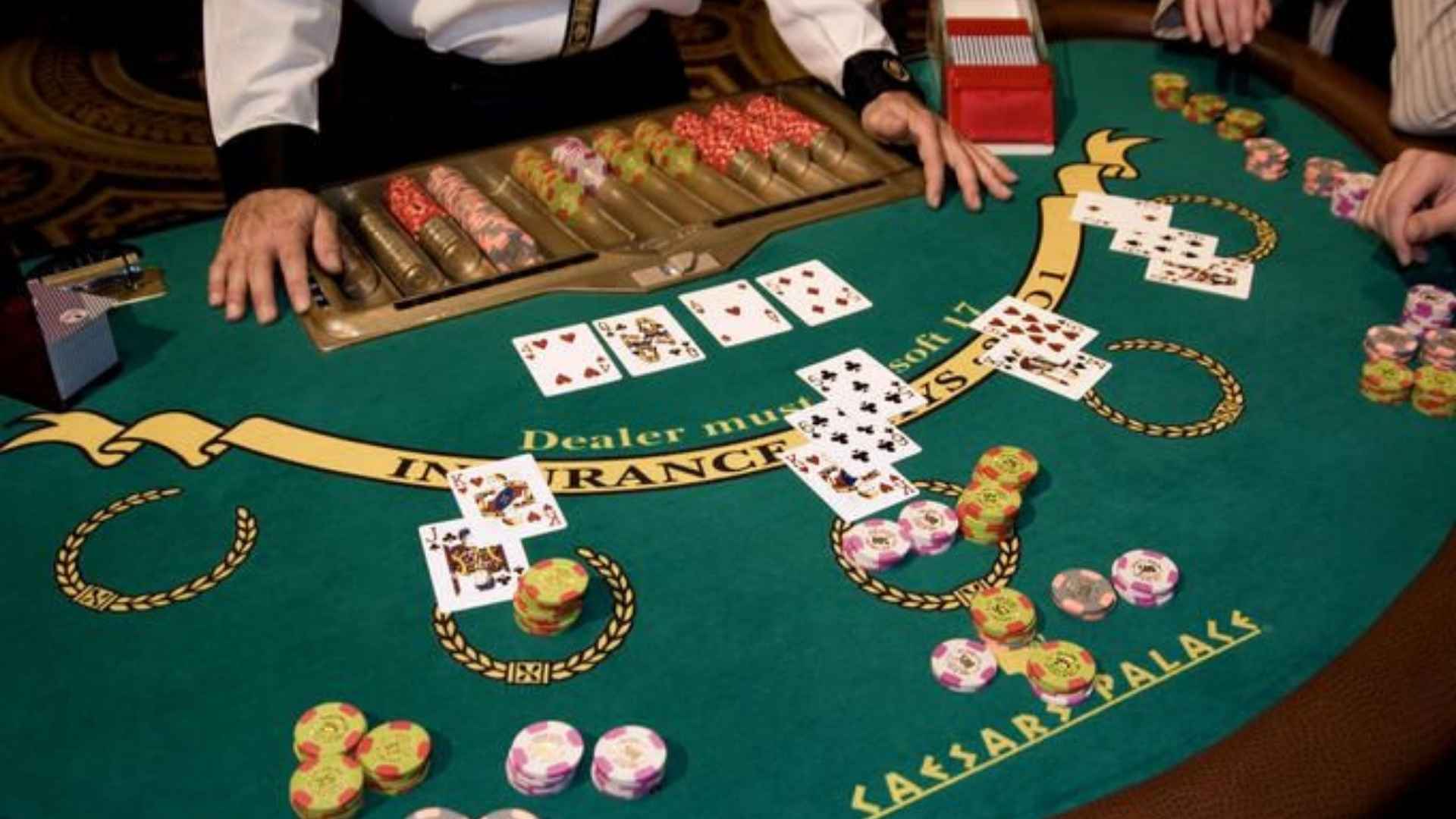
The card game of bridge is renowned for its intense intellectual demand, requiring players to process complex probabilistic models while managing interpersonal dynamics. Beyond memorizing card suits and bidding systems, high-level bridge matches heavily depend on a player's psychological resilience and focus under stress. Understanding how mental factors dictate success at the table offers valuable insights into peak cognitive performance across competitive disciplines.
Emotional Regulation Under Pressure
Competitive bridge sessions frequently place individuals in high-stakes scenarios where a single misstep can compromise an entire contract. Players who maintain emotional stability can systematically analyze shifting card combinations without succumbing to frustration. Remaining calm under intense pressure prevents hasty judgments and keeps strategic options open throughout the match.
When unexpected bidding sequences occur, emotionally regulated players adapt swiftly rather than dwelling on temporary setbacks. This mental fortitude helps prevent emotional contagion between partners, preserving mutual focus. Developing steady emotional management strategies is therefore critical for long-term consistency in competitive card play.
Cognitive Endurance and Mental Fatigue
Extended bridge tournaments require sustained concentration over long hours, testing the limits of cognitive stamina. As mental exhaustion accumulates, players often experience temporary lapses in memory recall and visual tracking. Recognizing early signs of cognitive fatigue allows competitors to pace their analytical effort during complex hands.
Maintaining focus throughout multiple sessions requires intentional mental pacing and structured downtime. Short rest intervals between rounds help clear cognitive overload and reset attention spans. Elite performers prioritize mental recovery to maintain sharp decision-making quality during crucial late-game moments.
The Role of Confidence and Decision Making
Decisive card play relies heavily on self-assurance, especially when navigating incomplete information during a hand. Confident players execute calculated risks with clarity, relying on rigorous deduction rather than hesitation. Developing trust in one's strategic analysis leads to faster, more effective trick-taking evaluations.
Many strategy enthusiasts explore competitive dynamics in various online environments, often looking for platform incentives like 体育奖金 m88 to enhance their competitive engagement. Building continuous confidence through structured practice allows players to trust their analytical instincts under intense scrutiny. Over time, bold yet calculated decision-making becomes a defining hallmark of top-tier strategy players.
Partnership Synergy and Psychological Trust
Unlike solitary mind sports, contract bridge is inherently a collaborative effort that hinges on effective partnership trust. Success requires both players to interpret subtle bids and defensive plays without overt communication. Cultivating psychological safety within a pair ensures that mistakes are treated as learning opportunities rather than sources of conflict.
When partners share strong mutual trust, they navigate difficult hands with aligned expectations and minimal friction. Clear signaling protocols combined with empathetic communication keep team morale resilient through challenging tournament legs. Ultimately, strong psychological synergy transforms two individual players into a highly synchronized competitive force.